
Family Dentist Advice for Teen Teeth: Sports, Energy Drinks, and Whitening Risks
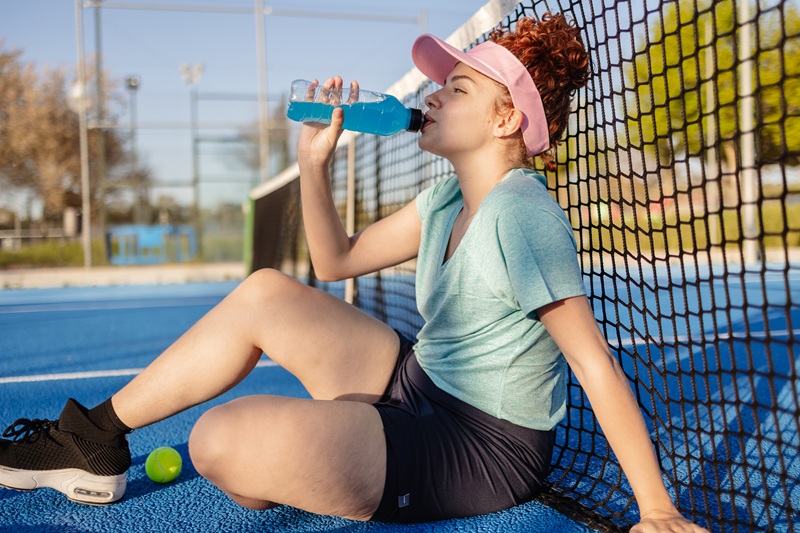
The teenage years are busy with sport, school, social life, and somewhere in between, dental health. It’s easy for oral care to slip down the priority list when life moves this fast.
But the habits and choices made during the teen years can have a real impact on the health of teeth well into adulthood. As a family dental clinic in Blackburn, VIC, we see these issues regularly, and most of them are very preventable. Here’s what parents and teens should know.
Energy Drinks and Sports Drinks: What They’re Really Doing to Teeth
One of the most common concerns we see in teenage patients is enamel erosion, and energy drinks and sports drinks are frequently behind it. Both are highly acidic, and both are consumed regularly by many teens, often in large amounts.
The effects of energy drinks on teeth go beyond just sugar. The acid content in these drinks is the main problem. It softens enamel directly, and with repeated exposure throughout the day, that softening becomes permanent enamel loss.
Sports drinks and tooth enamel erosion work the same way. Despite being marketed as healthy or performance-focused, many sports drinks have a pH low enough to damage enamel with regular use.
How acidic foods and drinks affect enamel is something worth understanding in detail, but the short version is this: the more often teeth are exposed to acid, the less time enamel has to recover.
Sipping on an energy drink throughout training or study is far more damaging than drinking one quickly and then rinsing with water.
Some practical habits that help:
- Limit energy and sports drinks to occasional use rather than daily
- Drink as one large dose at regular intervals rather than continuous sipping throughout the exercise session
- Follow up with water to rinse the acid from the mouth
- Wait 30 minutes before brushing after drinking acidic beverages — brushing on softened enamel causes more damage
What your teen eats and drinks at home also plays a big role in their overall tooth decay risk. Small daily habits add up quickly over the teenage years.
Mouthguards for Teen Sport: A Simple Step That Prevents Big Problems
Teenagers who play contact or high-impact sports are at real risk of dental injuries, like knocked-out teeth, chipped enamel, and jaw trauma, which are all common. The right mouthguard dramatically reduces that risk, yet many teens either don’t wear one or rely on a poorly fitted store-bought version that offers limited protection.
Custom-fitted mouthguards made by a family dentist offer a level of protection and comfort that over-the-counter options simply can’t match. They are moulded to the exact shape of your teen’s teeth, stay in place during play, and don’t interfere with breathing or communication.
How a mouthguard should fit, and how to tell if one isn’t doing its job, is something we’re always happy to walk families through at a check-up. If your teen plays any contact sport, it’s worth asking your family dentist about a custom mouthguard at your next visit.
Teeth Whitening for Teenagers: What’s Safe and What’s Not
It’s no surprise that many teens want whiter teeth. Social media, influencers, and peer pressure all play a role, and there’s no shortage of whitening products marketed directly at young people. But safe teeth whitening for teenagers is something that needs a bit more thought than picking up a product off a shelf.
Teen enamel is still maturing during this time, which makes it more porous and more sensitive than adult enamel. Over-the-counter whitening strips and high-concentration gels can cause significant tooth sensitivity in teens and may irritate gum tissue, particularly when used incorrectly or too frequently.
Whitening toothpaste is ineffective. They are often too abrasive to be safely used on tooth enamel, and, hence, our team at Whitehorse Dental discourage its use.
Understanding what safe whitening actually involves is a good starting point before committing to any treatment.
Teen Tooth Decay Prevention Tips
Beyond sports and whitening, general decay prevention is something every teen benefits from. Preventive treatments like fissure sealants are still relevant into the early teen years when the second set of permanent molars comes through, and regular check-ups remain the most reliable way to catch small issues before they turn into bigger ones.
Key teen tooth decay prevention tips to keep in mind:
- Brush twice a day with fluoride toothpaste, morning and before bed, not just whenever
- Clean between teeth daily with floss or interdental brushes
- Limit how often sugary and acidic foods and drinks are consumed — frequency matters more than quantity
- Attend check-ups every six months so problems are found and addressed early
Talk to Your Family Dentist at Whitehorse Dental
Teenage dental health is something our family dental care team takes seriously, and we know that getting teens engaged in their own oral health makes a real difference to long-term outcomes. Whether it’s a mouthguard fitting, a whitening conversation, or just a routine check-up, we’re here for the whole family.
Our Whitehorse Dental team welcomes patients from Blackburn, Box Hill, Nunawading, Doncaster, and surrounding suburbs. If your teen is due for a check-up or you have concerns about their teeth, book an appointment with us today to discuss their treatments and build healthy habits that will serve them for life.
Frequently Asked Questions
Are energy drinks bad for teenagers’ teeth?
Yes. The energy drinks effects on teeth are primarily driven by their high acid content, which erodes enamel with regular exposure. Even sugar-free versions are acidic enough to cause damage over time. Limiting how often they are consumed and rinsing with water afterwards helps reduce the risk.
Do sports drinks damage enamel?
Yes. Sports drinks and tooth enamel erosion are a well-documented issue. Many sports drinks have a low pH that softens enamel, especially when sipped repeatedly during training. Water is always the better option for hydration during exercise.
Is teeth whitening safe for teenagers?
Most family dentists recommend caution with teeth whitening for teenagers. Teen enamel is still maturing, making it more vulnerable to sensitivity and irritation from whitening agents. Whitening toothpaste is ineffective and the highly abrasive paste may further damage enamel. We generally discourage use of whitening toothpastes.
Does my teen need a mouthguard for sport?
Yes, if they play any contact or high-impact sport. Custom-fitted mouthguards from a family dental clinic provide far better protection than store-bought versions. They reduce the risk of knocked-out teeth, enamel chips, and jaw injuries significantly.
What causes tooth sensitivity in teens?
Tooth sensitivity in teens can include enamel erosion from acidic drinks, early decay, teeth grinding, gum recession, or sensitivity following orthodontic treatment. If your teen is experiencing sensitivity, it’s worth mentioning at their next check-up rather than leaving it.
How often should teenagers visit the dentist?
Every six months is the standard recommendation for teenage patients. Regular visits allow the dentist to monitor developing teeth, check orthodontic concerns, apply preventive treatments like fissure sealants if needed, and catch decay or erosion early.
What is the best way to prevent tooth decay in teenagers?
The core teen tooth decay prevention tips are consistent brushing twice daily with fluoride toothpaste, daily flossing, limiting sugary and acidic food and drink frequency, staying well hydrated with water, and attending regular check-ups at a family dental clinic.