
Preventive Dentistry During Pregnancy: What to Expect
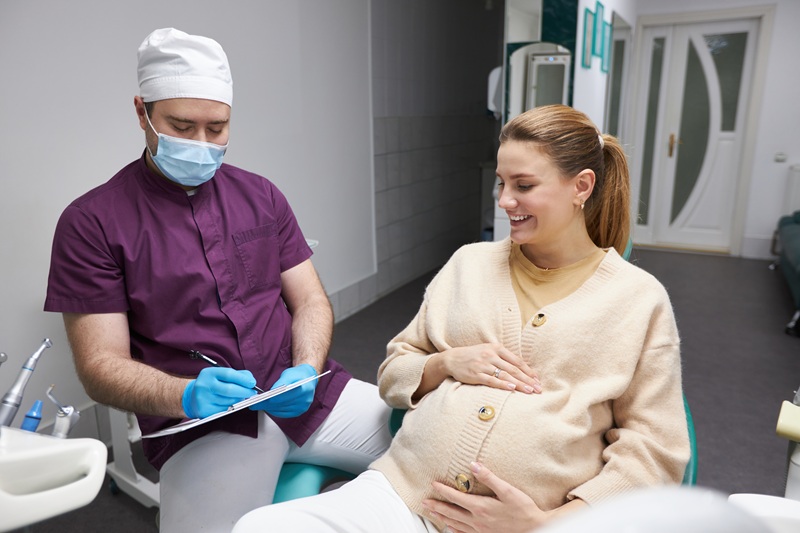
Pregnancy is a time when most people think carefully about check-ups, diet, and health, but oral health often gets pushed aside. The truth is, pregnancy can affect your teeth and gums in ways that catch many women off guard.
Preventive dentistry during pregnancy is safe, simple, and one of the most effective things you can do for yourself right now. Here’s what to expect and how to stay on top of it.
Why Your Oral Health Changes During Pregnancy
Hormonal shifts during pregnancy make your gum tissue more sensitive and more reactive to plaque. This means your gums may become inflamed, bleed more easily, or feel tender, even if your brushing routine has not changed at all.
This condition is known as pregnancy gingivitis, and it’s very common. When you leave this untreated, it can develop into more serious gum disease in pregnancy, which research has linked to complications including preterm birth and low birth weight. The earlier it’s caught, the easier it is to manage, which is exactly why preventive dental care during pregnancy is worth prioritising from the start.
There are also some common misconceptions floating around about what pregnancy does to your teeth. We’ve addressed one of the most persistent ones here, and understanding what’s actually happening makes it much easier to take the right steps.
Pregnancy Gingivitis Prevention: What to Do at Home
Good home care is the foundation of pregnancy gingivitis prevention. The habits themselves are not complicated, but they need to be consistent, because your gums are more vulnerable than usual during this time.
Here’s what makes the most difference:
- Brush twice a day with a soft-bristle toothbrush and fluoride toothpaste. Be gentle around the gum line, as firm scrubbing can aggravate already-sensitive tissue
- Floss daily to clear plaque from between teeth where your toothbrush can’t reach. If your gums bleed when you floss, that’s a sign they need more attention, not less. A correctly fitted interdental brush is even more effective than flossing alone
- Keep an eye on plaque build-up — understanding how plaque forms and where it tends to collect can help you clean more effectively at home
What Happens at a Dental Check-Up During Pregnancy
Teeth cleaning while pregnant is safe at any stage of pregnancy and strongly recommended. Many women are surprised by how straightforward it is, and there’s no reason to delay or avoid it.
During your dental check-up during pregnancy, your dentist or hygienist will:
- Check your gums thoroughly for signs of gingivitis or early gum disease, including measuring pocket depth around the teeth
- Remove plaque and tartar build-up from above and below the gum line using gentle instruments
- Polish your teeth to remove surface staining and smooth the enamel
- Apply a safe fluoride treatment if recommended. This is especially useful if morning sickness has been increasing acid exposure in your mouth
- Talk through your home care routine and address any symptoms or concerns you’ve noticed since your last visit
Always let your dentist know you’re pregnant and how far along you are before any treatment begins. This allows them to time your appointment appropriately, adjust your position in the chair as your pregnancy progresses, and make the right product choices for your stage of pregnancy.
Morning Sickness and Enamel Protection
What many women don’t know is that morning sickness can also be a threat to their teeth. Stomach acid that enters the mouth through repeated vomiting gradually erodes tooth enamel, particularly on the inner surfaces of the front teeth. Over time, this can cause sensitivity and visible enamel wear that’s difficult to reverse.
Protect your enamel with these steps:
- Don’t brush immediately after vomiting — after an episode of vomiting, the tooth enamel is in a softened state. Brushing straight away will remove the softened enamel, which increases the overall damage.
- Rinse with water first, then use a fluoride mouthwash to help neutralise the acid
- Wait at least 30 minutes before brushing your teeth
Acidic foods and drinks affect enamel in a very similar way to stomach acid, so being mindful of both together gives your teeth the best protection throughout your pregnancy.
Pregnancy Cravings and Tooth Decay Risk
Pregnancy cravings often lean towards sweet, starchy, or acidic foods, and more frequent snacking means more frequent acid attacks on your teeth. Every time you eat something sugary, your enamel is under attack for around 20 to 30 minutes. The more often this happens throughout the day, the less time your teeth have to recover between exposures.
How your diet affects your teeth is something worth thinking about during pregnancy, particularly if your eating habits have shifted. A few practical habits that help manage pregnancy cravings and tooth decay risk:
- Limit snacking to set meal times rather than grazing throughout the day
- Choose water over juice or soft drinks between meals. Even freshly squeezed fruit juice will damage teeth as it is high in sugar and acid.
- Rinse with water after eating to clear the food debris from the mouth.
Start Your Preventive Care at Whitehorse Dental
Your oral health during pregnancy deserves the same attention as the rest of your prenatal care. With consistent habits at home and a professional check-up during pregnancy, most problems are entirely preventable, and the ones that do come up are much easier to manage when caught early.
For preventive dentistry while pregnant, Whitehorse Dental helps pregnant patients regularly and knows how to make your visit comfortable and reassuring at every stage. We welcome patients from Blackburn, Box Hill, Nunawading, Doncaster, and surrounding suburbs.
Book your appointment with us today to make sure your smile comes through pregnancy in great shape.
Frequently Asked Questions
Is preventive dentistry safe during pregnancy?
Yes. Preventive dental care during pregnancy, including check-ups, professional cleans, and fluoride treatments, is safe and recommended throughout pregnancy. Staying on top of routine care helps prevent gum disease and tooth decay, both of which are harder to manage if left until after the baby arrives.
How often should I see a dentist when pregnant?
A dental check-up during pregnancy is recommended at least once, ideally in the second trimester. If you have existing gum concerns or a history of dental problems, your dentist may recommend more frequent visits.
What is pregnancy gingivitis?
Pregnancy gingivitis is inflammation of the gum tissue caused by hormonal changes during pregnancy. It makes gums more reactive to plaque, leading to redness, swelling, and bleeding when brushing or flossing. It’s common and very manageable with consistent home care and professional cleaning.
Is teeth cleaning while pregnant safe?
Yes, teeth cleaning while pregnant is safe at any stage and actively recommended. A professional cleaning removes plaque and tartar that home brushing can’t address, and is one of the most effective ways to keep pregnancy gingivitis under control.
Can fluoride treatments be used during pregnancy?
Yes. Safe fluoride treatments during pregnancy are a well-supported part of preventive dental care. Fluoride strengthens enamel and protects against decay, particularly useful when morning sickness increases acid exposure in the mouth.
How do I protect my teeth from morning sickness?
Rinse your mouth with water or fluoride mouthwash after vomiting rather than brushing straight away. Wait at least 30 minutes before brushing.
Can pregnancy cravings cause tooth decay?
Yes, if they lead to more frequent snacking on sweet or acidic foods. Spacing out meals, rinsing with water after snacks, and limiting sugary drinks all help reduce the tooth decay risk that comes with pregnancy cravings.