
Wisdom Teeth: Why Some People Need Them Removed and Others May Not
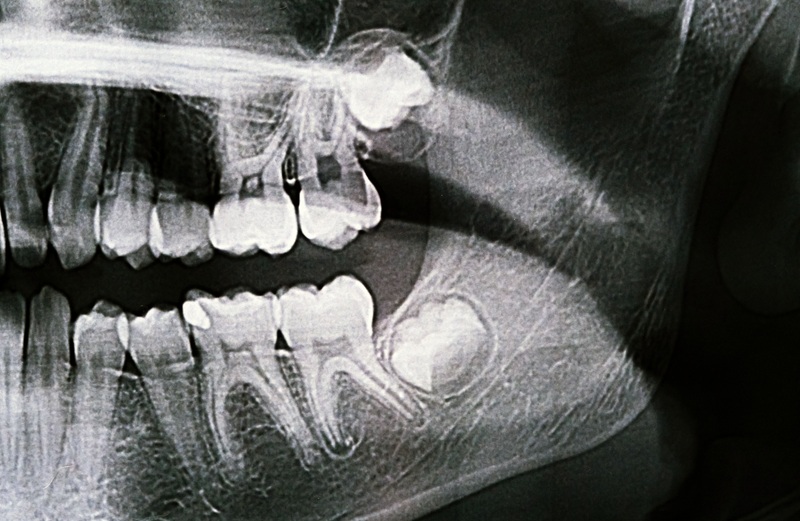
Your wisdom teeth are the last teeth to come through, usually in your late teens or early twenties. For some people, they arrive without any fuss and cause no problems at all. For others, they become a real source of pain, infection, and crowding.
So how do you know which camp you fall into?
And if your dentist brings up wisdom teeth removal, does that mean you definitely need it done? Let’s talk about wisdom teeth and break it all down so you can go into that conversation feeling informed.
What Are Wisdom Teeth and Why Do We Have Them?
Wisdom teeth are your third molars, and the very last teeth at the back of your mouth. Most people grow four of them, one in each corner, though some people grow fewer, and a small number never develop any at all.
Historically, our ancestors needed these extra molars to chew tough, unprocessed foods. Over time, human jaws have become smaller, but wisdom teeth have largely stuck around. The result is that many people simply don’t have enough room in their mouths for them to come through properly.
Do Wisdom Teeth Always Need to Be Removed?
No, and this is one of the most common misconceptions about wisdom teeth. Not everyone needs wisdom teeth removal.
If your wisdom teeth come through fully, sit in a good position, and can be cleaned properly, there may be no reason to take them out at all.
The decision to remove wisdom teeth comes down to whether they are causing problems now or whether they are likely to cause problems in the future. Whether all four need to come out at the same time is another question worth exploring, and the answer is not always yes.
To understand whether your wisdom tooth should be removed, you will need to go to your dentist and have an assessment. They will give better guidance and support about your treatment options.
Why Do Some People Need Their Wisdom Teeth Removed?
There are several reasons why a dentist might recommend wisdom teeth removal. The most common ones include:
Impacted wisdom teeth
When there is not enough room for a wisdom tooth to come through properly, it can become stuck fully or partially. Impacted wisdom teeth symptoms include pain, pressure, and swelling at the back of the jaw.
A partially erupted tooth is also very hard to clean, making decay and infection more likely.
Infection around the wisdom tooth
When a wisdom tooth only partially breaks through the gum, bacteria can get trapped underneath the flap of gum tissue sitting over it. This causes a condition called pericoronitis, an infection that can lead to significant pain, swelling, and in some cases, difficulty opening the mouth.
It can look and feel similar to a dental abscess, and like an abscess, it needs prompt attention.
Crowding
Some evidence suggests that wisdom teeth can contribute to crowding of the front teeth over time, though this varies from person to person. If your dentist sees signs of this on X-ray, they may recommend removal as a precaution.
Decay or gum disease
Wisdom teeth sit right at the back of the mouth, where they are difficult to brush and floss effectively. This makes them more vulnerable to decay and gum disease.
Cysts or damage to nearby teeth
In some cases, an impacted wisdom tooth can develop a cyst around it, which may damage nearby teeth or bone if left untreated.
Wisdom Teeth Pain vs Normal Eruption
It’s worth knowing the difference between discomfort that is just part of a tooth coming through, and pain that signals a problem.
Some mild soreness and pressure is normal when wisdom teeth first start to erupt. You might also notice the gum at the back of your mouth feeling a little tender or swollen for a short time. This usually settles on its own.
Wisdom teeth pain that does not go away, gets worse, spreads to your jaw or ear, or is accompanied by swelling or difficulty opening your mouth is a different matter. These are signs that something is not right and are worth raising with your dentist sooner rather than later.
When Is the Best Time to Remove Wisdom Teeth?
If wisdom teeth removal is recommended, earlier is often better. The wisdom teeth removal age with the best outcomes tends to be in the late teens to mid-twenties. At this stage, the roots of the wisdom teeth are not yet fully formed, the bone is less dense, and recovery tends to be quicker and smoother.
Waiting until wisdom teeth are causing active pain or infection is not always in your best interest. By that point, the procedure may be more involved, and recovery can take longer. Understanding the difference between a simple and a surgical extraction can help you know what to expect based on your situation.
What Happens if You Keep Wisdom Teeth That Should Be Removed?
The risks of keeping problematic wisdom teeth vary depending on the issue, but can include:
- Repeated infections — pericoronitis can come back again and again if the tooth is not removed
- Damage to the adjacent molar — an impacted wisdom tooth pushing against the tooth in front can cause decay or resorption of that tooth’s root
- Ongoing pain and discomfort — which can affect eating, sleeping, and quality of life
- Cyst formation — fluid-filled sacs can develop around impacted teeth and damage bone over time
These risks are exactly why dentists monitor wisdom teeth so closely. That’s why getting regular check-ups that include X-rays allows your dentist to track how wisdom teeth are developing and recommend action before a situation becomes urgent.
Don’t Wait Until It Hurts
If your dentist has mentioned your wisdom teeth, or if you’ve been noticing discomfort at the back of your mouth, it’s worth getting it looked at now rather than later. Most wisdom teeth issues are very manageable when caught early, but they rarely improve on their own.
At Whitehorse Dental, we take a practical and honest approach to wisdom teeth. We will take the time to assess and look at your X-rays, explain what we see, and give you a clear recommendation based on your specific situation.
If wisdom teeth removal is the right step for you, we will walk you through exactly what to expect from start to finish.
Book a consultation with our dentists to help you know what’s going on, and weigh the options you have.
Frequently Asked Questions
Do wisdom teeth always need to be removed?
No. If wisdom teeth come through fully, sit in a good position, and can be kept clean, they may not need to be removed at all. Wisdom teeth removal is only recommended when teeth are causing problems or are likely to cause problems in the future.
What are the signs that wisdom teeth should be removed?
Signs that wisdom teeth may need to come out include persistent pain or pressure at the back of the jaw, swelling or infection around the tooth, difficulty opening the mouth, decay in the wisdom tooth or the molar next to it, and X-ray evidence of impaction or crowding.
What are impacted wisdom teeth symptoms?
Impacted wisdom teeth symptoms can include a dull ache or pressure at the back of the mouth, swollen or tender gum tissue over the tooth, pain that spreads toward the ear or jaw, and difficulty cleaning the area properly. Some impacted wisdom teeth cause no symptoms at all and are only detected on X-ray.
What is pericoronitis?
Pericoronitis is an infection that develops when bacteria get trapped under the gum flap sitting over a partially erupted wisdom tooth. It can cause significant pain, swelling, and sometimes fever.
It is one of the most common reasons wisdom teeth removal is recommended.
When is the best time to have wisdom teeth removed?
There is no specific wisdom teeth removal age, but they are generally removed during the late teens to mid-twenties, when the roots are not yet fully formed, and recovery tends to be quicker. That said, wisdom teeth can still be removed at any age when there is a clinical reason to do so.
What is recovery like after wisdom teeth removal?
Wisdom teeth removal recovery and aftercare typically involve some swelling and discomfort for the first few days, which can be managed with pain relief and cold packs. Soft foods are recommended for several days, and the area should be kept clean but handled gently.
Your dentist will give you specific aftercare instructions based on your procedure.
What happens if I leave problematic wisdom teeth in?
The risks of keeping wisdom teeth that should be removed include repeated infections, damage to the tooth next to the wisdom tooth, ongoing pain, and in some cases, cyst formation around the tooth. Issues rarely resolve on their own and tend to become more complex over time.