
Dental Visits During Pregnancy: What’s Safe and What’s Recommended
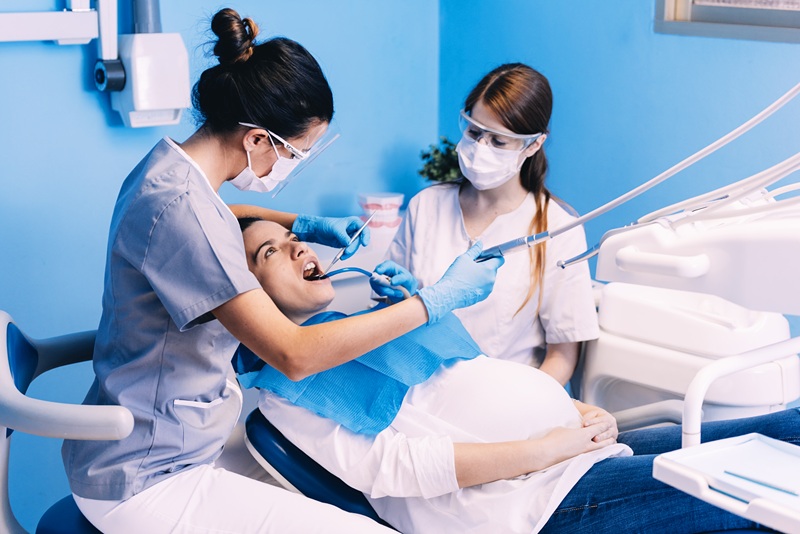
Pregnancy brings a lot of questions. “Is it safe to go to the dentist while pregnant?” is one that many expectant mothers ask.
Some worry that dental treatment could harm their baby. Others put off their check-up because they feel fine and assume it can wait. The truth is, dental care while pregnant is not only safe for most treatments, but it’s actively recommended.
Here’s what you need to know so you can make confident decisions about your oral health throughout your pregnancy.
Why Dental Care During Pregnancy Matters More Than Usual
Pregnancy causes real changes in your body, and your mouth is no exception. Hormonal shifts during pregnancy increase blood flow to the gums, which makes them more sensitive, more prone to swelling, and more likely to bleed.
This is known as pregnancy gingivitis, and it affects a large number of pregnant women.
If left untreated, pregnancy gingivitis can progress into more serious gum disease. Research has suggested a link between untreated gum disease during pregnancy and complications such as preterm birth and low birth weight, though this area is still being studied.
What’s clear is that your gum health matters during pregnancy, and it’s worth staying on top of.
There are also quite a few myths floating around about what pregnancy does to your teeth. We’ve addressed one of the most common ones, and the reality is more manageable than many people fear.
Is It Safe to Go to the Dentist While Pregnant?
Yes, it’s completely safe to go to the dentist while pregnant. Actually, putting them off can actually create bigger problems down the track. Visiting your dentist while pregnant may not be too different from when you were not, as most routine dental treatments can go ahead as normal.
The second trimester is generally the most comfortable time for dental treatment during pregnancy. This is when morning sickness has usually eased, the baby’s early development is complete, and it’s easier to sit back in the dental chair. However, urgent treatment should never be delayed, no matter what trimester you’re in.
If you’re due for a check-up and clean and you’re pregnant, go ahead and book it. A professional cleaning is one of the best things you can do to keep pregnancy gingivitis under control.
Dental Treatment During Pregnancy: What’s Safe
Here’s a clear look at the most common dental treatments and where they stand during pregnancy:
- Check-ups and professional cleans — safe at any stage and strongly recommended
- Dental X-rays — modern X-rays use very low radiation and are considered safe during pregnancy when a lead apron is used. Your dentist will only take them when clinically necessary
- Local anaesthetic — safe during pregnancy only in appropriate amounts
- Fillings and basic restorative work — safe to carry out, ideally during the second trimester
- Emergency dental treatment — should never be postponed. An untreated dental infection or abscess during pregnancy poses far more risk than treating it promptly
- Antibiotics and pain relief — some are safe during pregnancy, and some are not. Your dentist will only prescribe what’s appropriate, and will check in with your GP or obstetrician if needed
What to Postpone Until After Pregnancy
While dental visits are fine during pregnancy, some treatments are still better left until after your baby arrives, not because they’re dangerous, but because timing makes sense:
- Elective cosmetic procedures — teeth whitening and other cosmetic treatments are best deferred until after pregnancy, as safety data during pregnancy is limited
- Long or complex procedures — not harmful, but lying in the dental chair for extended periods can be uncomfortable, particularly in the third trimester
- Routine X-rays that are not urgent — while safe when needed, non-essential X-rays are best scheduled for after delivery
Morning Sickness and Your Teeth
Morning sickness is one of the most overlooked threats to dental health during pregnancy. When stomach acid repeatedly enters the mouth through vomiting, it can slowly wear away tooth enamel, especially on the back surfaces of the front teeth.
The instinct is to brush straight away, but that can actually make things worse by spreading the acid across more of the enamel surface. Instead, try these steps:
- Rinse with water first to dilute and clear the acid from your mouth
- Use a fluoride mouthwash to help neutralise the acid and support enamel recovery. Here’s more on why fluoride matters for your teeth
- Wait at least 30 minutes before brushing
- Talk to your dentist if you’re experiencing frequent vomiting. They can recommend products to help protect your enamel
It’s also worth knowing that acidic foods and drinks affect enamel in a similar way, so being mindful of your diet alongside managing morning sickness can make a real difference.
What to Tell Your Dentist When You’re Pregnant
Always let your dentist know you’re pregnant before any treatment begins, and mention how many weeks along you are. This helps them:
- Time your treatment within the safest and most comfortable trimester
- Choose appropriate medications if any are needed
- Adjust your position in the chair as your pregnancy progresses
- Prioritise what’s urgent and safely defer what isn’t
If you’re new to Blackburn, VIC, our dentists at Whitehorse Dental can help take care of your teeth. Here’s a guide to your first visit so you know exactly what to expect when you arrive.
Your Oral Health Is Part of Your Prenatal Care
Dental care while pregnant is not something to put off until after the baby arrives because it’s part of looking after yourself right now. Most treatments are safe, most concerns are manageable, and the risks of doing nothing are almost always greater than the risks of getting checked.
If you’re pregnant and you still want to make sure your overall dental health is thriving, our dentists at Whitehorse Dental are here to do exactly that. Whether it’s a routine check-up, a concern you’d like looked at, or just some reassurance, we’re here and ready to help.
Book your appointment with us today because a healthy pregnancy also includes a healthy smile.
Frequently Asked Questions
Is it safe to go to the dentist while pregnant?
Yes. Dental visits during pregnancy are safe and actively recommended. Avoiding dental care during pregnancy can allow problems like gum disease to develop, which may carry risks for both mother and baby. Most routine treatments can go ahead with your dentist’s knowledge of your pregnancy.
When is the best time for dental treatment during pregnancy?
The second trimester is generally the most suitable time for dental treatment during pregnancy. It’s more comfortable than the first or third trimester, and the baby’s early development is already complete. That said, urgent dental problems should always be treated promptly, regardless of trimester.
Are dental X-rays safe during pregnancy?
Yes, when clinically necessary. Modern dental X-rays use very low levels of radiation, and a lead apron further reduces any exposure. Your dentist will only recommend X-rays when there’s a clear clinical reason during pregnancy.
What is pregnancy gingivitis?
Pregnancy gingivitis is inflammation of the gums caused by hormonal changes during pregnancy. It makes gums more sensitive, prone to swelling, and likely to bleed. It’s very common, and it can be managed well with regular professional cleans and good brushing and flossing habits at home.
Can I have local anaesthetic at the dentist during pregnancy?
Yes. There are anaesthetics available that can be administered to pregnant patients only when used in appropriate amounts. Always let your dentist know you’re pregnant so they can make the right choices for your care.
What should I do about enamel erosion from morning sickness?
After vomiting, rinse your mouth with water or fluoride mouthwash rather than brushing immediately. Wait at least 30 minutes before brushing to avoid spreading stomach acid across your enamel. If morning sickness is frequent or severe, let your dentist know, so they can recommend products to help protect your teeth.
Should I mention my pregnancy to my dentist even for a routine clean?
Yes, always. Let your dentist know you’re pregnant and how far along you are before any treatment, even a routine clean. This helps them position you comfortably, make safe product choices, and flag anything worth monitoring through the rest of your pregnancy.