
Easter Treats & Teeth Whitening: How to Prevent Staining After Chocolate Season
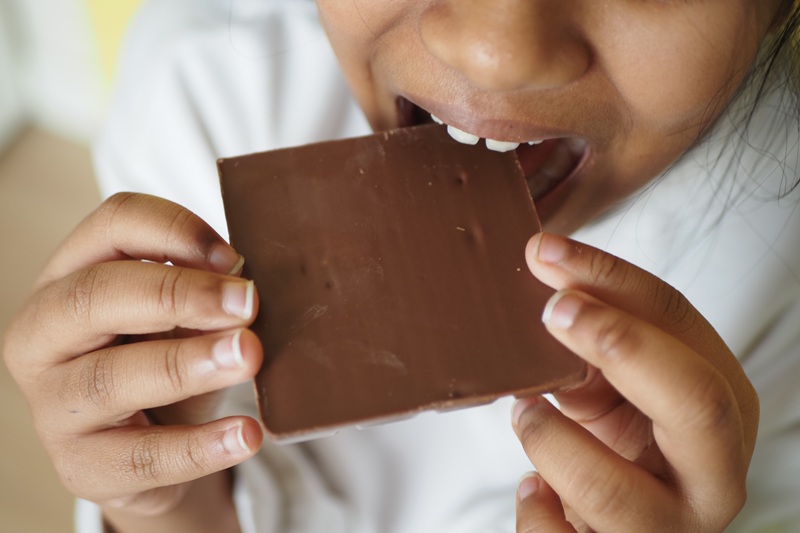
Easter is a wonderful time of year because of long weekends, family gatherings, and, of course, plenty of chocolate. Whether it’s Easter eggs, hot cross buns, or a sneaky handful of mini bars from the kids’ baskets, most of us end up eating a bit more than usual over the holiday.
What many people don’t realise, though, is that chocolate season can leave a noticeable mark on your smile. Sometimes, these stains may be neglected and may become a complicated problem.
If you’ve been wondering how to prevent stains on teeth after a weekend of indulging, or whether now might be a good time to look into teeth whitening, this guide is for you.
Why Does Chocolate Cause a Teeth Stain?
Chocolate, especially dark varieties, contains tannins and chromogens, two compounds well known for staining teeth. Tannins are “sticky” molecules that bind readily to enamel proteins, leaving behind dark pigment on the tooth surface.
A secondary factor is acidity. The natural acids in cocoa, combined with those produced by bacteria feeding on added sugars, can temporarily soften enamel, making it more porous and allowing pigments to settle in more deeply. This is why Easter chocolate teeth staining that goes unaddressed can sometimes become harder to shift over time.
Dark chocolate carries the highest staining risk due to its cocoa concentration. Milk chocolate is lower in cacao and slightly less problematic, while white chocolate, which has no cocoa solids, is the least likely to stain, though its sugar content still affects enamel health.
Though they may stain less, sweets (including chocolates), in general, can be problematic for the teeth, especially when you don’t have a good oral health routine.
How to Prevent Stains on Teeth During Easter
Prevention is always easier than treatment. A few practical habits can make a real difference over the Easter break.
To prevent stains during this holiday season, make sure to follow these tips:
- Rinse with water straight after eating. This helps clear cocoa pigments before they settle, and stimulates saliva to neutralise mouth acids.
- Wait 30 minutes before brushing. Enamel is temporarily softened by acid after eating, so brushing too soon can cause surface wear.
- Enjoy chocolate with meals, not as ongoing snacks. Every time you eat, acid is produced in the mouth. Fewer eating occasions means fewer acid exposures overall.
- Choose water between meals. Pairing chocolate with coffee, tea, or soft drinks compounds the staining risk considerably.
What to Do If Staining Has Already Set In
Most chocolate-related discolouration is extrinsic. This means it sits on the outer enamel surface rather than deeper within the tooth, which also means it is generally responsive to treatment. For mild staining, brushing twice daily with a fluoride toothpaste and rinsing consistently after dark foods may be able to help.
However, at-home methods have limits when it comes to teeth staining. If discolouration is more noticeable, a visit to a teeth stain removal dentist is the most effective next step to help you address your concerns.
Professional Teeth Whitening After Easter
Post-Easter is a popular time to look into teeth whitening, and it’s easy to understand why. After a stretch of chocolate, hot cross buns, and perhaps a glass of red wine with family, many people notice their smile has lost a little of its brightness.
At Whitehorse Dental, our most recommended option is the custom take-home whitening kit. This will include customised fitted trays made in-house with a professional-grade peroxide gel tailored to your sensitivity level.
This will be worn overnight over one to two weeks, where the gradual process works from inside the enamel outward, producing longer-lasting, more natural-looking results than faster in-chair alternatives.
Take-home kits start from $199, with top-up gel available for $100.
For those who prefer same-day results, in-chair whitening is also available and takes around 90 minutes. It delivers noticeable brightness quickly, though results may not last as long, and some patients experience temporary sensitivity.
When it comes to professional teeth whitening vs at-home whitening products from the supermarket, the key difference is gel strength and fit. Custom trays keep the product on your teeth and off your gums, allowing for more even and predictable teeth stain removal.
However, it’s still best to talk to our qualified dentists to understand your case and assess which approach best suits you.
Your Smile Deserves a Fresh Start After Easter
Easter is one of those times when it’s easy to put your usual habits on the back burner. If your smile is looking a little less bright, that is nothing to worry about. Small, consistent steps go a long way, and when you’re ready for a little extra help, our team in Blackburn, VIC is here for you.
For teeth whitening options, Whitehorse Dental is here to help you know your options. We welcome patients in and around Blackburn, VIC, to address your teeth-staining concerns, whether it’s from your Easter festivities, upcoming occasion, or just a concern about the colour of your teeth.
Book your appointment with us today.
Frequently Asked Questions
1. Does chocolate really cause teeth staining?
Yes, it can. Chocolate, especially dark varieties, contains tannins and chromogens that can bind to enamel and cause surface discolouration over time. The good news is that most chocolate-related staining is extrinsic and generally responsive to treatment.
2. What is the fastest way to remove a tooth stain at home?
Rinsing with water immediately after staining foods, brushing twice daily with a fluoridated toothpaste (after waiting 30 minutes post-meal), and flossing consistently are the most effective at-home steps.
For cases where staining is more noticeable, talking to a dental professional is the best option.
3. How soon after Easter can I start teeth whitening?
There’s no need to wait. If you have any untreated decay, gum issues, or significant sensitivity, those are best addressed first. A check-up and clean beforehand also helps the whitening gel work more effectively.
4. Is teeth whitening safe for sensitive teeth?
Many people with mild to moderate sensitivity can still whiten safely. At Whitehorse Dental, we tailor gel concentration to your individual needs. Lower-strength gels may be worn for longer periods and are often just as effective and have been mentioned to be comfortable by multiple patients.
5. How long do teeth whitening results last?
With good habits, including regular brushing, rinsing after dark foods and drinks, and six-monthly professional cleans, results from our take-home kits can last several years.
Some of our patients also request a top-up after three to five years.
6. What foods should I avoid after teeth whitening?
For the first 48 hours after whitening, avoid anything that could stain a white shirt, including coffee, tea, red wine, dark sauces, berries, and chocolate. After that window, good rinsing and brushing habits will protect your results long-term.