
Peri-Implantitis: Signs, Prevention & Professional Care
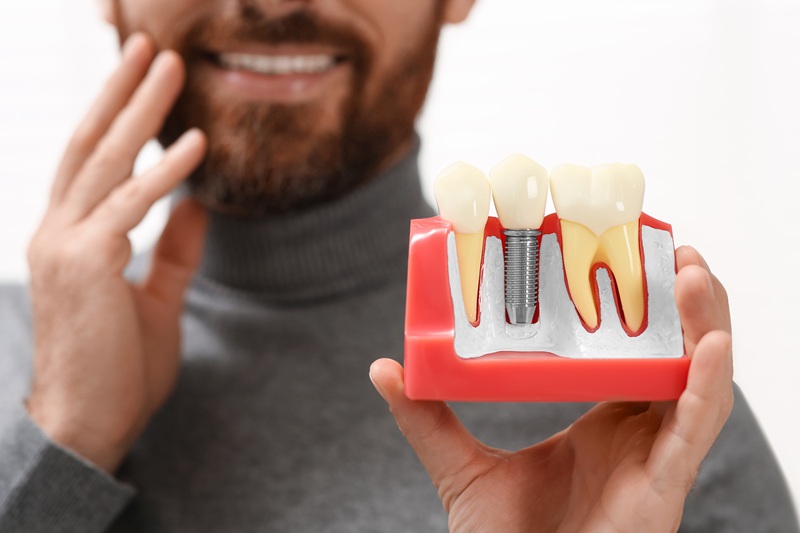
Dental implants are designed to be a long-term solution, and for most people, they perform exactly as expected for many years. But like natural teeth, implants require consistent care, and when that care slips, problems can develop. One of the more serious conditions affecting dental implants is peri-implantitis, an inflammatory condition that, left unaddressed, may lead to bone loss and implant failure.
If you have dental implants and have noticed any changes around the gum or implant site, this article will help you understand what peri-implantitis is, what the signs look like, and what your options are.
What Is Peri-Implantitis?
Peri-implantitis is an infection-driven inflammatory condition that affects the soft and hard tissues surrounding a dental implant. It’s similar in nature to periodontitis (gum disease around natural teeth), but it tends to progress more rapidly once it takes hold.
The condition develops when bacteria accumulate around the implant, triggering an immune response. Over time, this inflammation can damage the bone that holds the implant in place. Unlike peri-implant mucositis, which is an earlier, reversible stage where inflammation is limited to the soft tissue, peri-implantitis involves bone loss, which makes early detection particularly important.
Peri-Implant Mucositis vs Peri-Implantitis
It helps to understand the distinction between these two conditions, as they represent different stages of the same problem.
Peri-implant mucositis is the earlier stage. Inflammation is present in the gum tissue around the implant, but there is no measurable bone loss yet. At this stage, the condition is generally reversible with professional treatment and improved home care.
Peri-implantitis is more advanced. Bone loss around the dental implant has begun, and without intervention, it will continue. This stage requires more active professional treatment and, in some cases, surgical management.
This is why noticing symptoms early and acting on them makes a meaningful difference to the outcome.
Peri-Implantitis Symptoms to Watch For
Peri-implantitis symptoms can develop gradually, and some people don’t notice them until the condition has progressed. Common signs of dental implant infection or inflammation include:
- Bleeding gums around the implant — especially when brushing or during a dental check-up
- Swollen gum around the dental implant — the tissue may look red, puffy, or feel tender
- Discharge or a bad taste near the implant site
- The implant feeling loose or less stable than it used to
- Bone loss around the dental implant — typically confirmed through X-rays, and may not be felt until it is significant
- Receding gum tissue around the implant, making the metal of the implant more visible
Not all of these signs will be present at once. Even a single symptom is worth having assessed sooner rather than later. In some ways, these warning signs are similar to the early signs of a dental abscess, where they are easy to be dismissed at first, but acting early makes treatment much more straightforward.
What Causes Peri-Implantitis?
Several factors can increase the risk of developing peri-implantitis, including:
- Poor oral hygiene — inadequate cleaning around implants allows bacterial plaque to build up at the gum line
- Smoking — significantly increases the risk of peri-implantitis and slows healing. If you would like to understand more about how smoking affects your gum tissue and oral health broadly, this article goes into the detail
- A history of periodontitis — people who have had gum disease around natural teeth are at higher risk
- Diabetes — poorly controlled blood sugar affects the body’s ability to manage infection and inflammation
- Skipping regular dental check-ups — routine monitoring allows early changes to be caught before they progress
Understanding your individual risk factors is especially important if you are considering or have recently had implants. These same factors are often assessed as part of determining whether implants are the right option for a patient in the first place.
How Is Peri-Implantitis Treated?
Peri-implantitis treatment depends on how far the condition has progressed. In earlier stages, a thorough professional cleaning of the implant surface and an adjusted home care routine may be sufficient to bring the inflammation under control.
For more established peri-implantitis, treatment options may include:
- Non-surgical debridement — professional cleaning of the implant surface and surrounding pocket to remove bacteria and deposits
- Antimicrobial therapy — in some cases, local or systemic antimicrobials are used alongside cleaning to reduce bacterial load
- Surgical intervention — where bone loss is significant, surgical approaches may be considered to access and clean the area more thoroughly, and in some cases, to attempt bone regeneration
Professional treatment for peri-implantitis is most effective when started early. Implant failure risk factors, including smoking, diabetes, and poor oral hygiene, should also be addressed alongside treatment to improve outcomes.
How to Prevent Peri-Implantitis
The good news is that preventing peri-implantitis largely comes down to consistent habits and regular professional support. Practical steps include:
- Brushing twice daily, paying close attention to the area around implants
- Using interdental brushes in addition to floss specifically suited to cleaning around implants
- Attending regular dental check-ups at least every six months (more frequently if recommended)
- Avoiding smoking, or seeking support to quit
- Managing any underlying health conditions, particularly diabetes
Dental implant cleaning and maintenance are not complicated, but it does need to be consistent. The way you care for implants at home works hand-in-hand with professional monitoring to keep them healthy long term.
When to See a Dentist About Your Implant
If you have dental implants and notice any of the peri-implantitis symptoms described above, it is worth booking an assessment sooner rather than later. Early-stage inflammation is far more manageable than advanced bone loss, and in many cases, acting promptly can protect both the implant and the surrounding bone.
If you’re in Blackburn, VIC, and have concerns about one of your dental implants, the team at Whitehorse Dental is here to help. We welcome patients from across Blackburn, Box Hill, Nunawading, Doncaster, and surrounding suburbs for implant assessments and ongoing care.
Book your appointment for an assessment or guidance for your dental implants.
.
Frequently Asked Questions
What is peri-implantitis and how serious is it?
Peri-implantitis is an inflammatory condition affecting the gum and bone around a dental implant, caused by a bacterial infection. It is considered serious because it involves progressive bone loss, which can eventually lead to implant failure if left untreated. Early diagnosis and treatment significantly improve outcomes.
What are the early signs of peri-implantitis?
Early peri-implantitis symptoms often include bleeding gums around the implant when brushing, redness or swelling in the surrounding gum tissue, and occasionally a bad taste or mild discomfort near the site. At this stage, the condition may still be at the reversible mucositis phase, so early attention matters.
Can peri-implantitis be cured?
Peri-implantitis cannot always be completely reversed, particularly once bone loss has occurred. However, it can be managed effectively with professional treatment. The earlier the condition is caught, the more treatment options are available and the better the likely outcome.
How is peri-implantitis different from peri-implant mucositis?
Peri-implant mucositis involves inflammation of the soft tissue around the implant with no bone loss yet. Basically, it is an earlier, reversible stage. Peri-implantitis involves measurable bone loss around the dental implant and requires more active treatment. Think of mucositis as a warning sign that, if addressed, can prevent peri-implantitis from developing.
How do I clean around dental implants at home?
Cleaning around dental implants involves brushing twice daily with a soft-bristled toothbrush and using interdental brushes or implant-specific floss to clean between the implant and surrounding teeth. Water flossers can also be helpful.
Your dentist can show you the most effective technique for your specific implant placement.
How often should I have my dental implants checked?
Most implant patients are recommended to attend check-ups at least every six months. Some patients, particularly those with a history of gum disease, those who smoke, or those with health conditions like diabetes, may benefit from more frequent monitoring. Your dentist will advise on the right schedule for you.
Can smoking cause peri-implantitis?
Yes, smoking is one of the most significant risk factors for peri-implantitis. It impairs the body’s immune response and reduces blood flow to the gum tissue, making it harder to fight infection and recover from treatment. Smokers with dental implants are advised to discuss this risk with their dentist and consider cessation support.