
Safe Practices for Teeth Whitening
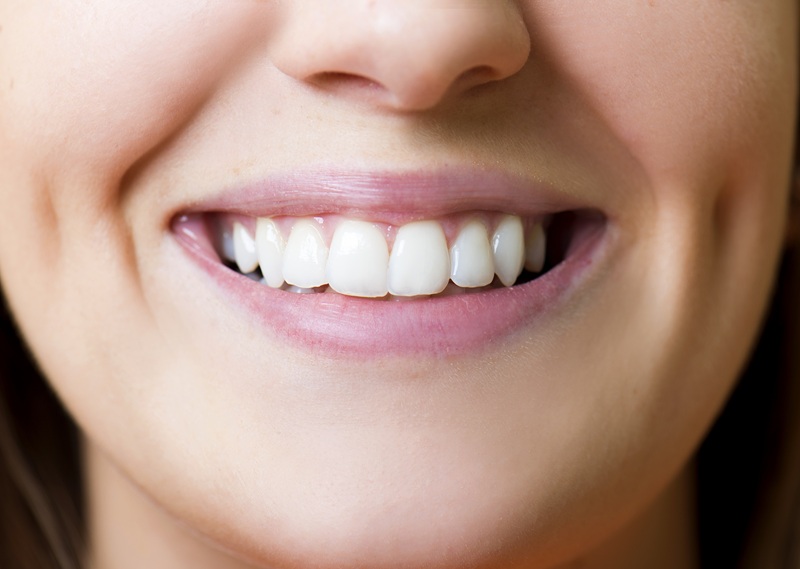
Teeth whitening has become one of the most popular cosmetic dental treatments today. Many people want a brighter smile, but not all whitening methods are created equal. Some of them can even harm your teeth.
Making sure you know the difference between safe teeth whitening practices and unsafe methods helps you protect your enamel and gums while achieving results that actually last.
Let’s explore how to whiten teeth safely, what to avoid, and why seeing a dentist is the safest way to get noticeable, long-term whitening results.
What Makes Some Whitening Practices Unsafe
The internet is full of “natural” whitening hacks and over-the-counter products that promise fast results. However, most of these can damage your teeth over time, even if they look harmless at first.
Here are some of the most common “teeth whitening” practices that can be unsafe.
1. DIY Remedies Like Lemon or Strawberry Paste
You may have come across online tips recommending lemon juice or crushed strawberries to “naturally” whiten teeth. While these ingredients are found in nature, they’re highly acidic, and acid weakens and dissolves the enamel (the outer protective layer of your teeth), which makes them thinner and more sensitive.
Even if these methods remove surface stains temporarily, the long-term effect is enamel erosion, which can lead to permanent damage and yellowing (since thinner enamel shows more of the yellow dentine underneath).
2. Whitening Kits Sold Over the Counter
Many non-prescription whitening kits or strips contain hydrogen peroxide or carbamide peroxide at unsafe levels. If these gels touch your gums, they can cause chemical burns, sensitivity, or gum irritation.
In Australia, only dentists are legally allowed to provide whitening gels containing higher peroxide concentrations, as they are trained to apply them safely and protect the gums from burns.
3. UV or LED Light Whitening
You’ve probably seen whitening systems that use blue or UV lights to “activate” the whitening gel. While this may look professional, the light used does not actually whiten the enamel. These lights dehydrate your teeth, temporarily making them appear whiter. Once your teeth rehydrate naturally through saliva, the colour often returns to its original shade.
In short, LED or UV lights create a temporary illusion rather than a lasting change.
The Risks of Whitening Outside a Dental Clinic
In recent years, some beauty salons and non-dental providers have started offering teeth whitening services. These might seem affordable, but they often come with hidden dangers.
If a non-dentist uses gels with high peroxide levels, it can burn the delicate skin inside your mouth or cause severe gum irritation. More importantly, only a qualified dentist can determine whether your teeth are healthy enough for whitening in the first place.
If whitening gel is used on teeth with decay, cracks, or gum disease, it can make the condition worse and cause pain or infection.
That’s why the Australian Dental Association (ADA) strongly recommends that teeth whitening be done under dental supervision only to ensure you can take advantage of the procedure without being at risk.
Safe and Effective Ways to Whiten Teeth
At Whitehorse Dental, safe whitening means using products that are clinically tested, professionally applied, and customised for your smile.
Our clinic offers two main types of dentist-supervised teeth whitening that are also legal in Australia:
1. In-Chair Whitening
This is done in the dental clinic, where your dentist applies a professional-grade whitening gel to your teeth, and making sure your gums and lips are protected to prevent irritation.
While some in-chair systems use a light, the whitening effect comes mainly from the gel, not the light itself. Results are often immediate, but can fade over time depending on your diet and lifestyle habits.
2. Custom Take-Home Whitening Kits
This is often considered the safest and most effective option at our clinic. Your dentist takes a mould or digital scan of your teeth to create custom-fitted trays that fit perfectly, keeping the gel on your teeth and away from your gums.
You will then apply a small amount of whitening gel into the trays and wear them for a set period each day (usually for one to two weeks).
This type of method in Whitehorse Dental allows teeth to stay hydrated with saliva during whitening, so the results represent a true and permanent colour change, not just temporary dehydration.
Why Dental-Supervised Whitening Works Better
Dentist-supervised whitening treatments are safer and more predictable because they are customised to your specific needs. Here’s why:
- Proper assessment first: Your dentist checks for decay, cracks, or gum disease before treatment to ensure your teeth are healthy enough to whiten.
- Controlled strength: Professional products contain the correct concentration of peroxide for safe, effective whitening.
- Even results: Custom trays ensure the gel is evenly distributed, preventing patchy or streaked results.
- Sensitivity management: Dentists can provide desensitising gels or recommend toothpaste to reduce any post-whitening discomfort.
- Long-term care: Your dentist can guide you on maintaining results, such as avoiding highly pigmented foods or drinks for 48 hours after whitening.
Whiten Safely, Not Quickly
While there are countless products that claim to whiten your teeth fast, the safest and most effective whitening will always be dentist-supervised.
Avoid at-home experiments or services from non-dental providers, as these can damage your enamel or gums permanently.
If you’re considering teeth whitening in Blackburn, VIC, Whitehorse Dental offers both in-chair and custom take-home whitening options designed to safely brighten your smile.
Book a consultation today to learn which whitening method suits your teeth best and get professional advice on how to maintain your results safely.
Frequently Asked Questions
1. What is the safest way to whiten teeth?
The safest way to whiten teeth is through dentist-supervised whitening, either in-chair or with a custom take-home kit. These treatments use professionally regulated gels and protect your gums while achieving long-lasting results.
2. Are over-the-counter whitening products safe?
Most over-the-counter kits and whitening strips are not recommended, as some contain peroxide levels that can irritate gums or cause enamel damage. Always consult a dentist before using any whitening product to ensure it’s suitable for your teeth.
3. Do natural whitening methods like lemon or baking soda work?
No. “Natural” remedies such as lemon juice, strawberries, or baking soda may remove surface stains temporarily, but they are acidic or abrasive and can permanently erode enamel. This may lead to tooth sensitivity or yellowing over time.
4. Are LED or UV whitening lights effective?
Whitening systems that use LED or UV lights often provide temporary results by drying out the enamel. Once your teeth rehydrate, their colour usually returns to its previous shade. The light does not create a true chemical whitening reaction in the enamel.
5. Why should whitening be done by a dentist?
Only a dentist can check whether your teeth and gums are healthy enough for whitening. Whitening products used by non-dental providers can cause burns or irritation if applied incorrectly. The Australian Dental Association (ADA) recommends having whitening performed only by registered dental professionals. See their policy here.
6. How long do professional whitening results last?
Results from professional whitening can last one to three years, depending on your oral hygiene and habits. Avoid coffee, tea, red wine, and smoking for the first 48 hours after whitening to maintain your results.
7. Is teeth whitening safe for everyone?
Whitening is safe for most adults with healthy teeth and gums. However, it’s not suitable for pregnant or breastfeeding women, or people with untreated decay, gum disease, or dental restorations like crowns and fillings. Your dentist will assess your suitability first during your consultation.