
Preventive Dental Practices for People With Braces or Invisalign
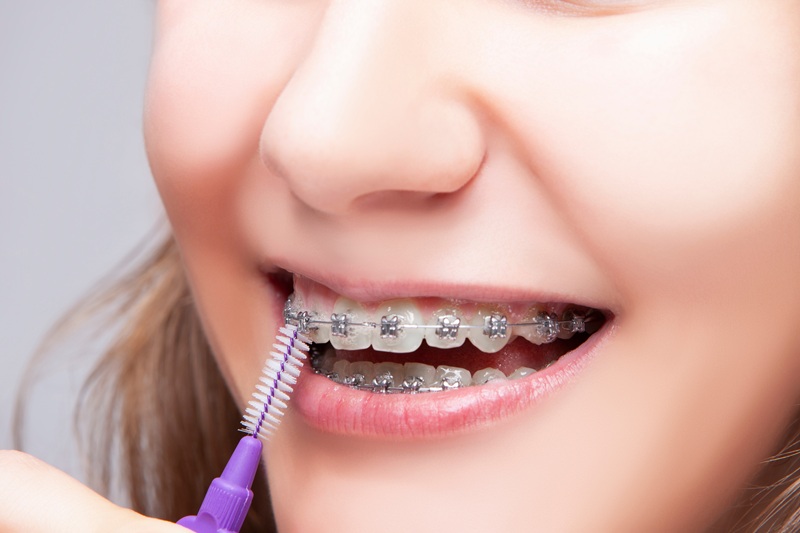
Orthodontic treatment, such as braces or Invisalign, may be a helpful step toward a healthier, more confident smile. Aside from that, many people are not aware that straightening teeth also changes how plaque and food debris interact with the teeth and gums.
This means preventative dentistry becomes even more important during treatment to protect enamel, maintain gum health and reduce the risk of long-term complications.
Whether you’re already wearing fixed braces or clear aligners, understanding the right preventive dental practices can help ensure your orthodontic journey supports both function and oral health.
Why Preventive Dental Care Matters During Orthodontic Treatment
Braces and aligners create additional surfaces and tight spaces where plaque can collect. Without careful daily care and professional monitoring, this can increase the risk of:
- Tooth decay
- Gum inflammation or gingivitis
- Enamel demineralisation (white spot lesions)
- Bad breath
- Delayed or complicated orthodontic outcomes
In a preventive dental setting, the goal is to minimise these risks through early intervention, education and regular reviews. The purpose of preventive dental care is to help protect the teeth you’re working so hard to straighten.
Here are some daily oral hygiene techniques that we, as dentists, swear by in helping patients with braces and Invisalign keep their teeth healthy.
Daily Oral Hygiene With Braces or Invisalign
Brushing Effectively
Brushing remains the foundation of preventative dental care, but technique matters more with orthodontic appliances.
For braces:
- Brush at least twice daily, angling the brush above and below the brackets
- Take extra time around the gumline and wires
- Use a soft-bristled toothbrush or an orthodontic brush
For Invisalign:
- Brush after meals before reinserting aligners
- Clean aligners as instructed to avoid bacterial buildup
Using fluoride toothpaste helps strengthen enamel and supports remineralisation, which is particularly important when plaque retention is higher.
Flossing and Interdental Cleaning
Flossing can be more challenging with braces, but it remains essential. Options may include:
- Floss threaders
- Orthodontic floss
- Interdental brushes
For Invisalign wearers, flossing is often easier because aligners are removable, but consistency is always the key. Interdental cleaning helps prevent gum inflammation and supports overall preventive dental practice.
Aside from daily habits, your diet will also have to be checked for better dental health while on orthodontic treatment.
Dietary Habits That Support Preventive Dentistry
Food choices also play a significant role in protecting teeth while you have your braces and Invisalign treatment.
Limiting Sugary and Acidic Foods
Frequent sugar intake feeds plaque-forming bacteria, increasing decay risk. Acidic foods and drinks can soften enamel, making it more vulnerable, especially around brackets or under aligners.
Supportive habits include:
- Limiting sugary snacks between meals
- Choosing water as the main drink
- Avoiding sipping soft drinks or juices over long periods
Avoiding Hard and Sticky Foods (For Braces)
Hard or sticky foods can damage brackets and wires, leading to plaque traps or delays in treatment. Avoiding these foods also reduces the chance of emergency visits and supports preventive dental care by keeping appliances intact.
Another practice when on orthodontic treatment is to always have regular visits with your dentist for guidance.
Professional Preventive Dental Care During Orthodontic Treatment
Regular Dental Checkups
Routine dental visits remain essential while undergoing orthodontic treatment. These appointments allow the dentist to:
- Monitor enamel and gum health
- Detect early signs of decay or inflammation
- Reinforce hygiene techniques
- Coordinate care alongside orthodontic treatment
This collaborative approach is central to effective preventative dentistry.
Professional Scale and Clean
Professional cleaning helps remove plaque and calculus that may be difficult to reach at home, particularly around brackets or attachments. Regular cleans support healthy gums and reduce the risk of complications during orthodontic care.
Fluoride and Preventive Treatments
Additional fluoride treatments may be recommended to help strengthen enamel, particularly for patients at higher risk of demineralisation. In a preventive dental context, fluoride supports enamel resilience throughout orthodontic treatment.
Preventive Dental Practices Specific to Invisalign
Invisalign aligners cover the teeth for most of the day, which can increase the risk of plaque being trapped if oral hygiene is not maintained.
Helpful practices include:
- Brushing and flossing before reinserting aligners
- Cleaning aligners daily as instructed
- Avoiding sugary or acidic drinks while aligners are in place
- Removing aligners for all meals
These habits reduce the risk of decay and align closely with preventive dental care principles.
Gum Health and Orthodontic Treatment
Healthy gums are essential for successful orthodontic outcomes. Gum inflammation can cause discomfort and, in more advanced cases, affect tooth stability.
Signs that gum health needs attention include:
- Redness or swelling
- Bleeding when brushing or flossing
- Persistent bad breath
Preventive dental reviews allow early intervention, often with simple changes to hygiene routines, before more serious issues develop.
A Preventive Approach for a Healthier Smile
Orthodontic treatment can improve alignment and function, but it works best when supported by strong preventative dentistry. With the right daily habits, regular professional care and a focus on prevention, you can protect your teeth and gums throughout braces or Invisalign treatment.
If you’re currently wearing braces or Invisalign, and you’re looking for a dental team to help prevent dental issues from happening, our team at Whitehorse Dental can help support your oral health with personalised preventive dental care tailored to your needs.
Consult our dental professionals for a guided orthodontic journey.
Frequently Asked Questions
1. Why is preventive dental care important when wearing braces or Invisalign?
Braces and aligners create additional areas where plaque and food can collect. Preventive dental care helps reduce the risk of tooth decay, gum inflammation and enamel demineralisation during orthodontic treatment.
2. How often should I brush my teeth with braces or Invisalign?
It is recommended to brush at least twice daily. For braces, extra time should be spent cleaning around brackets and wires. For Invisalign, teeth should be brushed after meals before reinserting aligners to minimise plaque buildup.
3. Is flossing still necessary during orthodontic treatment?
Yes. Flossing and interdental cleaning are essential for removing plaque between teeth and along the gumline. Tools such as floss threaders, orthodontic floss or interdental brushes can help make cleaning more effective.
4. Can certain foods increase dental problems while wearing braces or Invisalign?
Frequent sugary or acidic foods can increase the risk of tooth decay and enamel wear. Hard or sticky foods may also damage braces. Limiting these foods and choosing water as the main drink can support preventive dental care.
5. Do I still need regular dental checkups while undergoing orthodontic treatment?
Yes. Regular dental checkups allow your dentist to monitor enamel and gum health, identify early signs of problems and support your oral hygiene routine alongside orthodontic care.
6. What are white spot lesions, and how can they be prevented?
White spot lesions are areas of early enamel demineralisation that can appear around braces. They are more obvious once the braces are removed and look like white circles on the front surfaces of the teeth. Good oral hygiene, fluoride toothpaste, professional cleaning and regular dental reviews can help reduce the risk.
7. How should Invisalign aligners be cleaned?
Aligners should be cleaned daily according to your dentist’s or orthodontist’s instructions. Cleaning them helps reduce bacterial buildup and supports overall preventive dental care.
8. Can preventive dental care continue after braces or Invisalign are removed?
Yes. Preventive dental care remains important after orthodontic treatment to maintain gum health, protect enamel and preserve the results of tooth alignment.