
How Your Dentist Screens for Oral Cancer During a Routine Exam
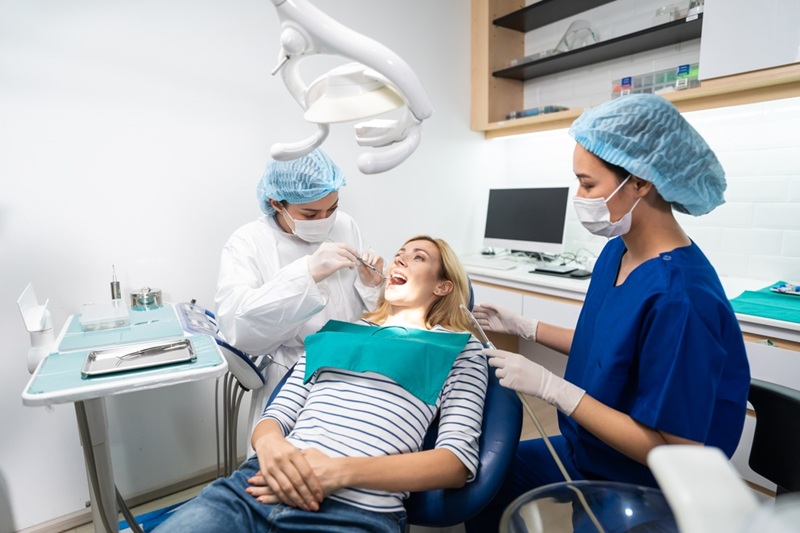
Most people think of their regular dental checkups as a way to keep their teeth and gums healthy. However, what you may not know is that every routine visit also includes something far more important.
During a regular dental checkup, your dentist actually performs an oral cancer examination on your mouth as well, checking for early signs of changes in the tissues, tongue and throat. This screening is typically quick, painless and an essential part of safeguarding your overall health.
Let’s understand why oral cancer screening matters, how your dentist screens for oral cancer, what happens during the oral cancer examination and what could be the early signs for you to watch out.
Why Oral Cancer Screening Matters
An estimated 769 Australians were diagnosed with oral cancers in 2024, according to Cancer Council Australia. Oral cancer affects the lips, tongue, cheeks, gums, floor of the mouth and throat. Not many people are aware of how oral cancer starts, yet many early changes are subtle and develop without pain. This is why early detection can significantly help improve treatment outcomes.
In a research study, an increasing incidence of lip, oral cavity and oropharyngeal cancers among Australian adults was observed, reinforcing the value of early screening during dental visits.
Because your dentist examines your mouth more thoroughly and frequently than any other health professional, your routine dental check-up oral cancer screening in Australia becomes one of the most effective opportunities for catching early abnormalities.
Do Dentists Check for Oral Cancer? Yes — Every Time
If you’ve ever wondered, “Do dentists check for oral cancer?”
The answer to that is yes. Dentists check the soft tissues of the mouth at every dental checkup, even if you’re only booked in for a clean. At Whitehorse Dental, this screening is included automatically, much like having your skin monitored during a routine mole check.
Now, if dentists check the mouth for oral cancers, what exactly happens during an assessment? Let’s find out.
What Happens During an Oral Cancer Examination?
A thorough oral examination includes both external and internal assessments. These steps are usually quick and completed within just a couple of minutes.
1. Head & Neck Exam With Lymph Node Palpation
Your dentist begins by examining outside of the mouth. Here are some of the things they usually look for:
- The face, lips and skin for visible changes
- The jawline and neck for lumps, swelling or asymmetry
- Gentle palpation of lymph nodes to check for areas that feel enlarged or tender
This is the head & neck exam with lymph node palpation, and it helps identify early signs that may not be visible inside the mouth.
2. Visual and Tactile Intraoral Examination
Next, your dentist inspects all areas inside the mouth under good lighting:
- Inside lips and cheeks
- Gums and palate
- Sides and underside of the tongue
- Floor of the mouth
- Throat and tonsil area
This intraoral check for leukoplakia/erythroplakia allows your dentist to detect:
- White patches (leukoplakia)
- Red patches (erythroplakia)
- Mixed red-and-white areas
- Areas that appear thickened, rough, raised or irregular
- Ulcers or sores that do not look normal
In a research study, visual and tactile examinations were shown to be reliable in detecting potentially malignant oral lesions at earlier stages.
Early Signs Your Dentist Looks For
During your screening, your dentist checks for specific early indicators, including:
- A non-healing mouth ulcer (>2 weeks)
- A sore spot or persistent area of irritation
- Red or white patches on the soft tissues
- A lump, thickening or raised region on the tongue or cheeks
- Persistent hoarseness or sensation of something “stuck” in the throat
In a research study, non-healing ulcers beyond approximately two weeks were identified as a key warning sign warranting professional assessment.
If any of these changes are identified, your dentist may recommend monitoring the area or arranging a referral for biopsy to an oral medicine specialist to determine whether the changes are benign or require treatment.
Risk Factors Your Dentist Considers
Tobacco and Alcohol
Your lifestyle also plays a significant role in oral cancer development.
As many of us know, excessive consumption of tobacco and alcohol may affect one’s health, which will eventually result in deadly diseases, like oral cancer. In a research study, both smoking and alcohol consumption were identified as major contributors to oral cancer risk, with combined use amplifying exposure to harmful toxins.
Toxins from cigarette smoke and alcohol repeatedly contact the mouth’s lining, increasing the likelihood of harmful cellular changes over time.
HPV-Related Oropharyngeal Cancer Risk
Not all oral cancers are linked to smoking or alcohol. Human papillomavirus (HPV), particularly high-risk strains, can contribute to cancers in the back of the mouth, such as the tonsils and base of the tongue.
HPV was described as a significant risk factor for oropharyngeal cancers, particularly in younger, non-smoking adults. While dentists do not diagnose HPV during exams, they are trained to recognise tissue changes in areas commonly affected.
Why Regular Dental Checkups Are Essential
Because early oral cancer can appear without pain, swelling or obvious symptoms, ongoing monitoring is vital. Your regular dental checkups allow your dentist to:
- Compare tissue changes over time
- Detect subtle abnormalities early
- Support you in reducing modifiable risk factors
- Evaluate ulcers or sore spots that do not heal normally
Your routine dental check-up oral cancer screening in Australia is one of the most effective early detection strategies available, and it happens every time you visit.
Your Oral Health Deserves Regular Care
Your oral health is an important part of your overall well-being, and oral cancer screening is one of the most valuable benefits of your regular dental checkups. These screenings are quick, comfortable and often go unnoticed, yet they play a crucial role in detecting early changes that you may not see or feel yourself.
If it has been a while since your last dental checkup, or if you’ve noticed a sore spot, ulcer or patch that just does not seem to heal, our team at Whitehorse Dental can help you understand better.
Book a consultation today to check if you’re at risk of oral cancer.
Frequently Asked Questions
1. Do dentists check for oral cancer during a routine dental exam?
Yes. During every regular dental checkup, your dentist assesses the soft tissues of your mouth, tongue and throat as part of an oral cancer examination. This is a standard component of a comprehensive oral health assessment.
2. What does an oral cancer screening involve?
An oral cancer screening includes an external head and neck check, gentle lymph node palpation and a visual and tactile examination of the soft tissues inside the mouth. This helps identify early changes that may require further assessment.
3. What are the early signs of oral cancer?
Signs may include a non-healing mouth ulcer lasting more than two weeks, red or white patches, persistent soreness, thickened or raised areas, or changes in your voice. Any new or persistent changes should be assessed by a dental professional.
4. Does oral cancer screening hurt?
No. The screening is non-invasive and typically very quick. Most people do not feel any discomfort during the examination.
5. Who is at higher risk for oral cancer?
Risk factors may include tobacco use, frequent alcohol consumption and certain strains of human papillomavirus (HPV). Your dentist may discuss these factors with you to help support your overall oral health.
6. What happens if my dentist finds something unusual?
If your dentist notices an area that may need further investigation, they may recommend monitoring the area or provide a referral to an oral medicine specialist for a biopsy or detailed assessment.