
A Guide to Your First Dental Visit at Our Clinic: What to Expect
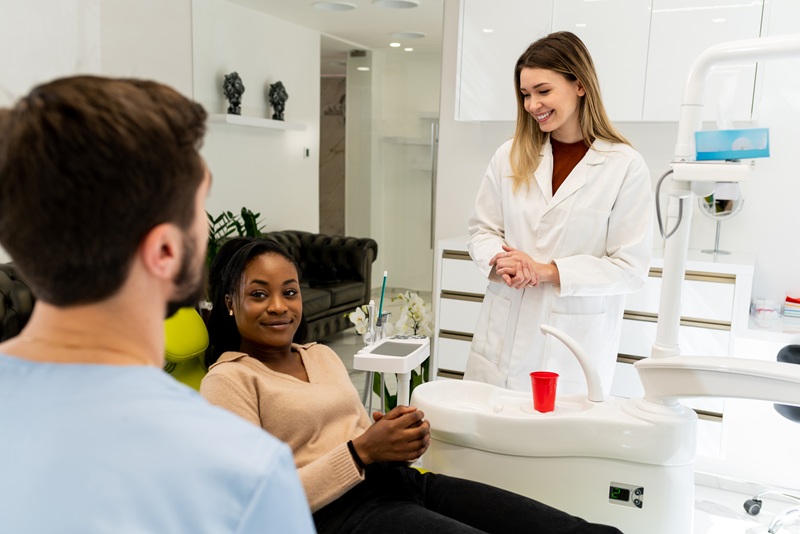
Whether you’re visiting the dentist for the first time, returning after a long break or bringing your child to their very first appointment, knowing what to expect can make the experience more relaxed and reassuring.
At Whitehorse Dental, your first dental visit is designed to be comprehensive, comfortable and centred around your long-term oral health. Understanding the steps involved helps you feel prepared before you visit a dental clinic, especially if you’re unsure about the process or feeling a little anxious.
This guide walks you through what your appointment includes, why it matters, and how you can make the most of your time with us.
Why Are Regular Dental Visits Important?
Routine dental care is essential for maintaining healthy teeth and gums. In Australia, many adults delay dental care, with recent national data showing that a significant proportion of Australians avoid or postpone dental visits due to cost or anxiety. This often means dental problems are discovered much later, making treatment more complex.
Regular dental care helps identify issues early, prevent disease and maintain overall well-being. Your first dental visit sets the foundation for ongoing preventive dentistry and forms a partnership between you and your dentist.
What to Expect at Your First Dentist Visit
A typical new patient appointment at Whitehorse Dental is approximately 60 minutes. This allows enough time for a thorough assessment, discussion and gentle cleaning if needed. Here is what the visit usually includes.
1. Welcome and Medical/Dental History Review
Your appointment begins with a conversation. The dentist will ask about:
- Your dental goals
- Previous dental experiences
- Any discomfort or concerns
- Medical history, medications and allergies
This medical & dental history review ensures that your care is safe, tailored and responsive to your needs. Your dentist will also ask what is important to you regarding your long-term dental health, which guides the approach to your treatment plan.
2. New Patient Dental Exam
Next, your dentist performs a new patient dental exam, which covers the teeth, gums, soft tissues, bite, jaw joints and any areas of concern. This includes:
- Checking for cavities
- Assessing existing fillings or dental work
- Looking for gum inflammation or recession
- Screening for early signs of oral conditions
This exam helps your dentist understand your overall oral health and identify issues early, before they become complicated or uncomfortable.
3. Gum Health Charting
To assess your periodontal health, your dentist may perform gum health charting, which involves measuring the spaces between your teeth and gums. This helps determine whether the gums are healthy or if early signs of gum disease are present.
Because gum disease often progresses without pain, charting at your first dental visit provides a valuable baseline for future comparison.
4. Dental X-rays (Bitewings or OPG)
X-rays may also be considered during your dental visit, as they are an important part of a complete assessment. Depending on your needs, your dentist may recommend:
- Bitewing X-rays – useful for detecting cavities between teeth
- OPG (Orthopantomogram) – a wide, full-mouth X-ray that shows teeth, jaws and bone levels
These images help your dentist see areas not visible during a visual exam, such as early decay, bone health and developmental concerns.
All X-rays are taken only when clinically necessary and with modern, low-radiation digital technology.
5. Intraoral Photos
Your dentist may also take intraoral photos using a small digital camera. These photos help:
- Show you what the dentist sees
- Record your current tooth and gum condition
- Track changes over time
- Support clear and transparent treatment planning
Photos are especially useful for monitoring small cracks, wear spots or early changes in enamel.
6. Professional Scale, Clean and Fluoride (If Required)
If appropriate, your first visit may include a gentle scale and clean to remove plaque, tartar and surface staining. This is usually followed by a fluoride treatment to strengthen enamel and reduce the risk of decay.
Your dentist or hygienist will also demonstrate techniques for brushing and flossing effectively, helping you maintain good habits at home.
7. Personalised Treatment Plan
Once your exam, photos and X-rays are complete, your dentist will present their findings and explain:
- What they observed
- Any concerns
- Practical recommendations for care
- Treatment options, if needed
This may include discussing habits or patterns that may be affecting your teeth, such as grinding, acidic diets or brushing too hard, and ways to address them.
Your treatment plan is tailored to your goals and prioritises prevention to help minimise future problems.
8. Understanding Dental Costs and Rebates
Your dentist or front desk team will also guide you through various dental costs, rebates and government dental eligibility. You may be able to talk about:
- Dental costs for recommended care
- HICAPS rebates if you have private health extras
- CDBS eligibility for children (Child Dental Benefits Schedule)
- Payment options available
Transparency is important, and you will be informed of costs first before proceeding with any treatment.
9. Options for Anxious Patients
If you feel nervous about dental visits, you’re not alone. Many patients experience dental anxiety during their first visit or after past experiences.
Our team at Whitehorse Dental offers support for anxious patients, including the option of nitrous oxide (happy gas) when clinically appropriate. Our clinic is also equipped with a telly to help anxious children feel more relaxed while they watch a kids’ show.
These are some of the initiatives we do to help patients feel calmer and more comfortable during treatment.
Your First Dental Visit Sets the Foundation for Lifelong Oral Health
Your first appointment is much more than a quick check. It’s an opportunity to understand your oral health, learn preventive strategies and build trust with your dental team. Whether you’re new to the area, returning after time away from the dentist, or bringing your child for their first exam, our team is here to support you with gentle, comprehensive care.
If you’re ready to book your first dental visit in Blackburn, VIC, we’d be happy to welcome you to Whitehorse Dental.
Contact our team to set a scheduled appointment.
Frequently Asked Questions
1. What happens during a first dental visit?
A first dental visit typically includes a medical and dental history review, a comprehensive oral exam, gum health charting, X-rays if needed, intraoral photos, and a personalised treatment plan. A scale and clean may also be completed.
- How long does a new patient dental appointment take?
A new patient visit usually takes around 60 minutes. This allows enough time for a thorough assessment, discussion of your goals and a clean if appropriate.
3. Will I need dental X-rays at my first appointment?
X-rays may be recommended depending on your needs. They help detect concerns not visible during a visual exam, such as decay between teeth or issues below the gum line. X-rays are taken only when clinically appropriate.
4. What is gum health charting?
Gum health charting involves measuring the spaces between your gums and teeth. It helps assess gum health, identify early signs of gum disease and provide a baseline for future comparison.
5. Do children follow a different process during their first dental visit?
The steps are similar, but children’s visits are adapted to be more relaxed and gentle. The dentist may count the teeth, check development and use child-friendly explanations to build confidence.
6. What if I feel anxious about seeing the dentist?
Many patients experience dental anxiety. Options such as nitrous oxide (happy gas), calm communication and distraction aids, like a TV for children, can help make the visit more comfortable when clinically appropriate.
7. How much will my first dental visit cost?
Costs depend on the services required. Your dentist or front desk team can explain expected fees, HICAPS rebates for private health extras and CDBS eligibility for children. Quotes are provided before treatment begins.
8. How should I prepare for my first appointment?
You can prepare by bringing your private health insurance card, a list of medications and any questions you’d like to ask. Arriving a little early helps ensure you have time to complete necessary forms.